

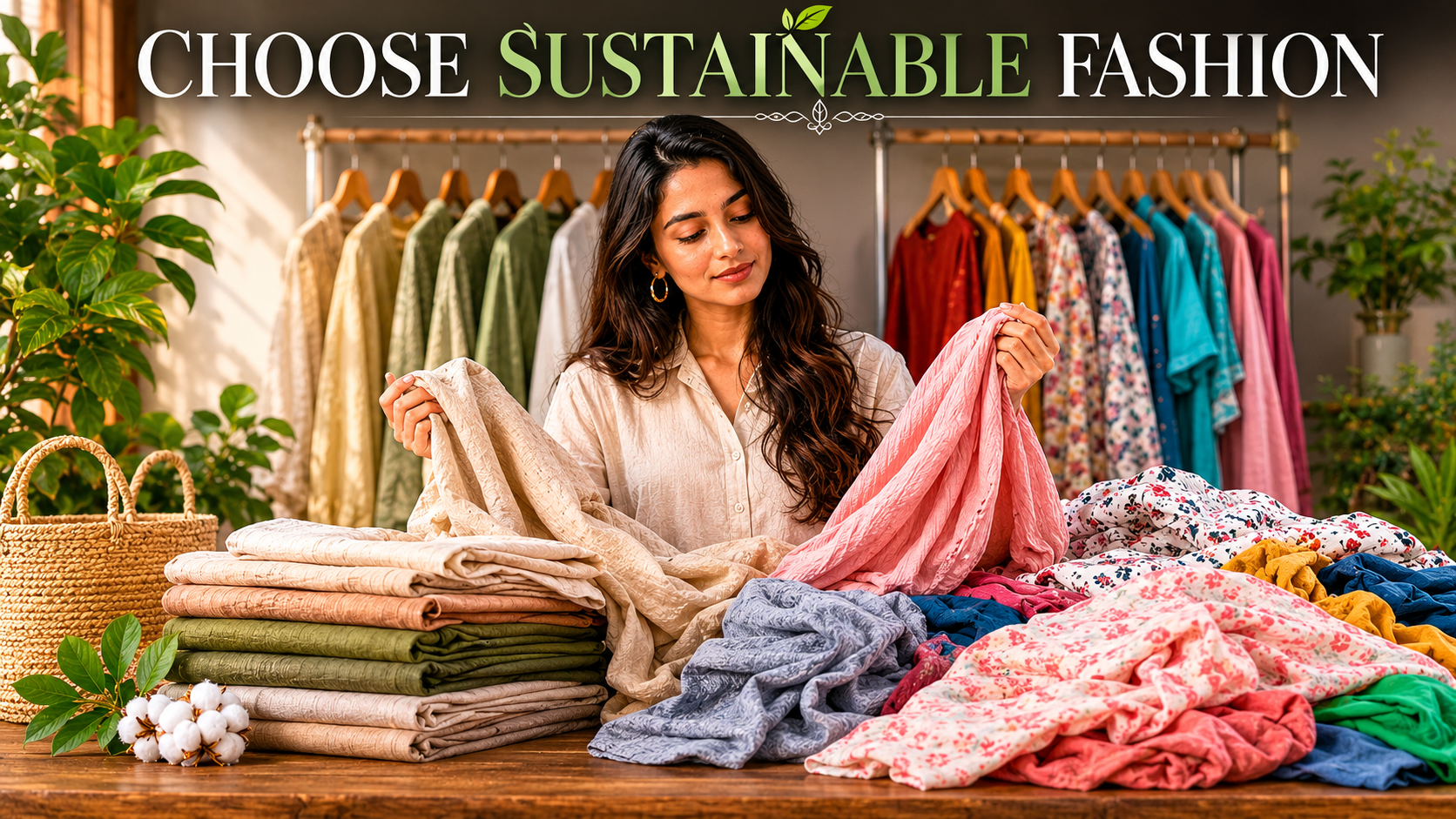
The fashion industry has transformed dramatically over the past two decades. New collections arrive almost every week, social media trends spread instantly, and consumers have more clothing choices than ever before. While this accessibility has made fashion more affordable, it has also fueled the rise of fast fashion—a business model built around producing inexpensive clothing quickly to keep up with constantly changing trends.
At first glance, fast fashion seems appealing. Trendy clothing at low prices offers the excitement of regularly updating your wardrobe without spending a fortune. However, behind the convenience often lies a hidden cost: lower quality, shorter garment lifespan, increased waste, and growing environmental concerns.
This reality has led many consumers toward a different approach—sustainable fashion.
Sustainable fashion focuses on quality, durability, ethical production, and conscious consumption. Instead of buying more, it encourages buying better. It promotes timeless style over temporary trends and values craftsmanship over mass production.
In this guide, we'll explore sustainable fashion in depth, understand how it differs from fast fashion, and explain why quality clothing consistently delivers better value for both consumers and the planet.
What Is Sustainable Fashion?
Sustainable fashion refers to clothing that is designed, produced, and consumed in ways that minimize environmental impact while supporting social responsibility and long-term value.
Rather than encouraging constant purchasing, sustainable fashion prioritizes:
- High-quality materials
- Responsible production
- Durable construction
- Ethical labor practices
- Reduced waste
- Timeless design
The goal is to create garments that remain wearable and desirable for years rather than weeks.
Understanding Fast Fashion
To understand sustainable fashion, it's important to first understand fast fashion.
Fast fashion is a manufacturing and retail model that rapidly produces clothing inspired by the latest trends. These garments are often designed to be inexpensive, allowing consumers to purchase new styles frequently.
Characteristics of Fast Fashion
- Extremely trend-driven
- Low production costs
- Frequent new collections
- Short product life cycles
- Mass production
- Lower-quality materials
While fast fashion offers affordability, its emphasis on speed often comes at the expense of quality and longevity.
Why Sustainable Fashion Is Gaining Popularity
Consumer behavior is changing.
Today's shoppers are increasingly interested in:
- Product quality
- Fabric durability
- Ethical manufacturing
- Environmental responsibility
- Long-term value
Many people are realizing that repeatedly replacing low-quality garments often costs more over time than investing in well-made clothing from the beginning.
This shift is driving the growth of sustainable fashion worldwide.
Quality vs. Quantity: The Core Difference
At the heart of sustainable fashion is the belief that quality matters more than quantity.
Fast Fashion Approach
Buy many inexpensive items.
Sustainable Fashion Approach
Buy fewer, better items.
This simple mindset change can dramatically improve both wardrobe quality and purchasing habits.
Why Quality Clothing Lasts Longer
One of the biggest advantages of sustainable fashion is durability.
High-quality garments typically feature:
- Better fabrics
- Stronger stitching
- Superior construction
- More careful finishing
As a result, they can withstand repeated washing and regular wear without quickly losing their appearance.
Example
A premium cotton shirt may last for years, while a lower-quality alternative may begin fading, shrinking, or losing shape after only a few washes.
Over time, durability often makes quality clothing more cost-effective.
Fabric Quality Matters
Fabric is one of the most important factors that separate sustainable fashion from fast fashion.
Premium Fabrics Commonly Used in Sustainable Fashion
- Organic cotton
- Linen
- Hemp
- Silk
- Wool
- High-quality cotton blends
These materials generally offer:
- Better comfort
- Enhanced durability
- Improved breathability
- Superior appearance
Common Issues with Low-Quality Fabrics
- Pilling
- Stretching
- Fading
- Shrinkage
- Reduced comfort
Investing in better fabrics often improves both the look and lifespan of clothing.
Timeless Fashion vs. Trend Chasing
Fast fashion depends on rapidly changing trends.
Sustainable fashion focuses on timeless design.
Timeless Pieces Include
- White shirts
- Tailored blazers
- Quality denim
- Elegant sarees
- Classic dresses
- Neutral knitwear
These items remain stylish year after year, reducing the need for constant wardrobe updates.
Why Timeless Fashion Wins
Timeless garments provide:
- Greater versatility
- Better cost-per-wear
- Easier styling
- Long-term relevance
They form the foundation of a wardrobe that evolves slowly rather than changing every season.
The Environmental Impact of Fast Fashion
One of the primary reasons sustainable fashion has gained attention is environmental awareness.
Fast fashion contributes to:
- Excessive textile waste
- High resource consumption
- Frequent disposal of clothing
- Increased production demands
Many garments are worn only a few times before being discarded.
Sustainable fashion seeks to reduce this cycle by encouraging longer garment use and more mindful purchasing decisions.
Ethical Production and Responsible Manufacturing
Sustainability extends beyond environmental concerns.
It also includes social responsibility.
Ethical Fashion Principles
- Fair labor practices
- Safe working conditions
- Responsible sourcing
- Transparent supply chains
Consumers increasingly want to know how and where their clothing is made.
Supporting brands that prioritize ethical production aligns fashion choices with broader social values.
Cost Per Wear: The Smarter Way to Shop
One of the most effective ways to evaluate clothing value is through cost per wear.
Example
Imagine:
- A ₹1,000 dress worn 5 times
- A ₹4,000 dress worn 80 times
The second dress may initially seem expensive, but its cost per wear is significantly lower.
Sustainable Fashion Encourages
- Long-term thinking
- Better purchasing decisions
- Reduced wasteful spending
This approach often results in greater financial value over time.
Building a Sustainable Wardrobe
You don't need to replace your entire wardrobe overnight.
Sustainability is about making gradual improvements.
Step 1: Buy Less
Avoid impulse purchases.
Step 2: Prioritize Quality
Focus on well-made garments.
Step 3: Choose Versatile Pieces
Invest in items that can be styled multiple ways.
Step 4: Care for Your Clothing
Proper maintenance extends garment lifespan.
Step 5: Repair Instead of Replace
Simple alterations and repairs can significantly increase longevity.
Small changes can create a more sustainable wardrobe over time.
Sustainable Fashion in Women's Clothing
Women increasingly embrace sustainable fashion because it aligns with both style and practicality.
Popular Sustainable Fashion Choices
- Premium cotton dresses
- Linen sets
- Timeless sarees
- Handcrafted kurtas
- Quality denim
- Tailored blazers
These garments often combine comfort, versatility, and durability.
The Rise of Slow Fashion
Slow fashion is closely connected to sustainability.
Unlike fast fashion, slow fashion encourages:
- Thoughtful purchasing
- Fewer collections
- Better craftsmanship
- Long-lasting design
The emphasis is on creating meaningful wardrobes rather than constantly chasing new trends.
Signs of High-Quality Clothing
Not all expensive clothing is necessarily high quality.
Look for these indicators:
Fabric Feel
Quality fabrics often feel softer, stronger, and more substantial.
Stitching
Examine seams for neat, consistent stitching.
Construction
Well-made garments maintain their shape over time.
Fit
Quality clothing often offers better tailoring and proportion.
Finishing Details
Buttons, zippers, hems, and linings should feel durable and refined.
These characteristics often distinguish long-lasting garments from disposable fashion.
Common Myths About Sustainable Fashion
Myth 1: Sustainable Fashion Is Boring
Modern sustainable fashion includes a wide variety of stylish designs and contemporary silhouettes.
Myth 2: Sustainable Fashion Is Always Expensive
While some pieces cost more initially, their longevity often provides better value.
Myth 3: You Must Replace Your Entire Wardrobe
Sustainability is a gradual process, not an overnight transformation.
Myth 4: Trends and Sustainability Cannot Coexist
Many sustainable brands successfully incorporate modern fashion trends while maintaining quality standards.
The Future of Fashion
The future of fashion is increasingly focused on conscious consumption.
Consumers are becoming more selective and informed about their purchases.
Key priorities include:
- Quality
- Durability
- Transparency
- Craftsmanship
- Sustainability
As awareness continues to grow, sustainable fashion is expected to become a defining force in the industry.
Conclusion
Sustainable fashion is more than a trend—it's a smarter, more responsible approach to clothing. By prioritizing quality over quantity, consumers can enjoy better garments, reduce unnecessary waste, and build wardrobes that remain stylish for years.
While fast fashion offers short-term convenience, sustainable fashion delivers long-term value through superior fabrics, timeless design, durability, and thoughtful craftsmanship. Investing in fewer, better pieces not only benefits your wardrobe but also encourages more conscious consumption habits.
In a world overflowing with disposable trends, quality remains one of the most powerful fashion choices you can make. Because true style isn't about buying more—it's about choosing better.
Frequently Asked Questions
What is sustainable fashion?
Sustainable fashion focuses on creating and consuming clothing in ways that prioritize quality, durability, ethical production, and reduced environmental impact.
Why is sustainable fashion better than fast fashion?
Sustainable fashion emphasizes quality, longevity, and responsible consumption, while fast fashion often prioritizes speed and low cost.
Does sustainable fashion cost more?
Some sustainable garments may have higher upfront costs, but their durability often provides better long-term value.
What fabrics are commonly used in sustainable fashion?
Organic cotton, linen, hemp, wool, silk, and other durable natural fibers are frequently used.
How can I start building a sustainable wardrobe?
Buy fewer items, prioritize quality, choose versatile pieces, care for your clothing properly, and focus on timeless styles.


