

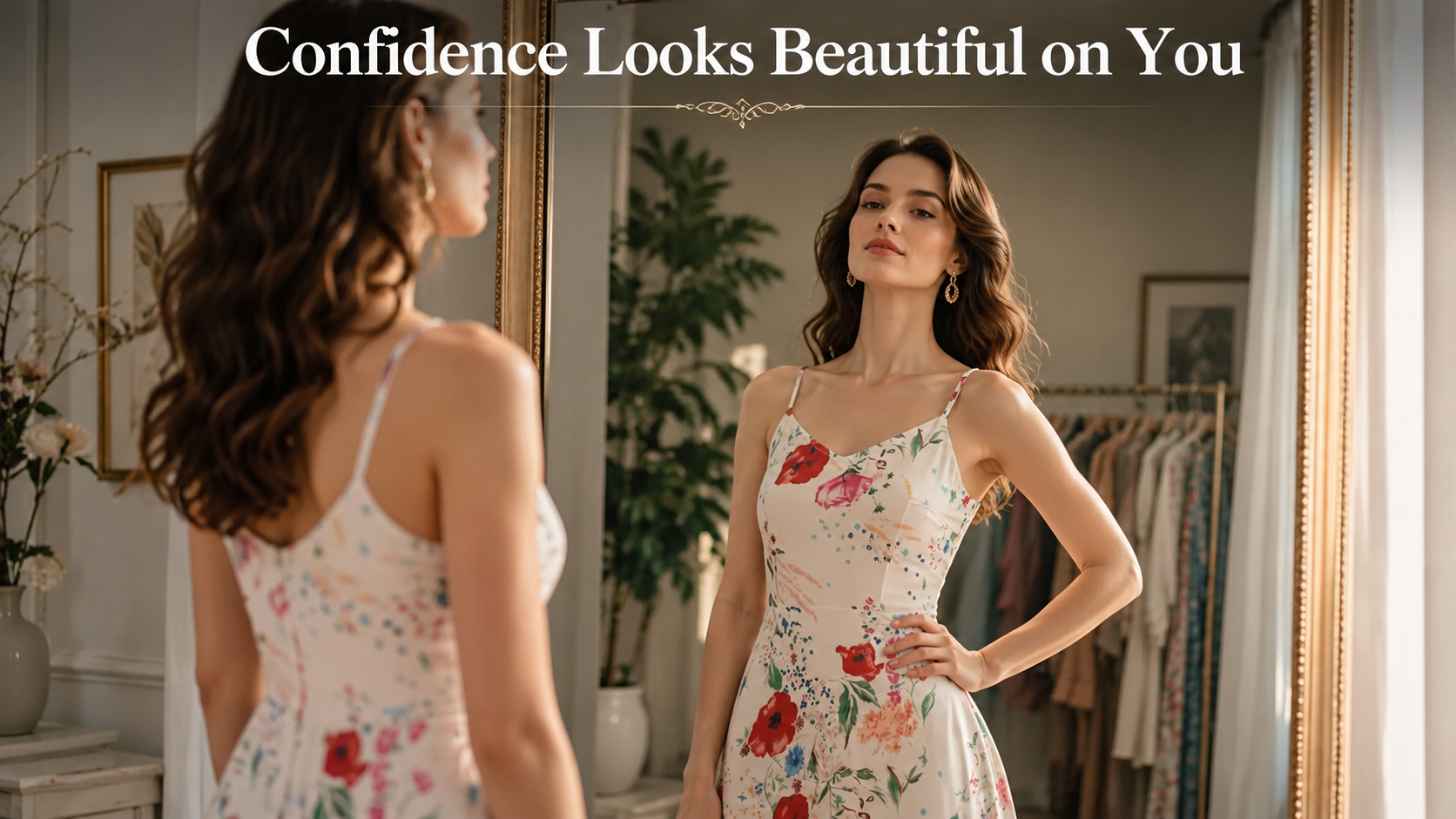
The clothes we wear are often viewed as a reflection of personal taste, but their impact goes far beyond appearance. Fashion has the power to influence how we feel, how we present ourselves, and even how others perceive us. Whether it's a perfectly tailored blazer, a beautifully draped saree, or a favorite dress that makes you feel your best, clothing plays a significant role in shaping self-image and confidence.
Many people have experienced the boost that comes from wearing an outfit they love. Suddenly, posture improves, conversations feel easier, and self-assurance increases. This isn't just imagination—psychologists and fashion experts have long recognized the connection between clothing and mindset.
In today's world, where personal branding and self-expression are more important than ever, understanding the relationship between fashion and confidence can help individuals make more intentional wardrobe choices. This guide explores how clothing influences self-image, why fashion affects confidence, and how to build a wardrobe that supports a positive sense of self.
Understanding the Connection Between Fashion and Psychology
Fashion is not merely about trends or aesthetics. It is deeply connected to human psychology and emotional well-being.
The clothing we choose can influence:
- Mood
- Confidence levels
- Self-perception
- Social interactions
- Professional presence
- Emotional comfort
Psychologists often refer to this phenomenon as "enclothed cognition," a concept suggesting that what we wear can affect how we think, feel, and behave.
When people wear clothing that aligns with their identity and values, they often experience increased confidence and a stronger sense of authenticity.
How Clothing Shapes Self-Image
Clothing Creates First Impressions
Before speaking a single word, clothing communicates information about personality, professionalism, creativity, and confidence.
Whether consciously or subconsciously, people form impressions based on appearance.
Well-chosen clothing can convey:
- Confidence
- Attention to detail
- Reliability
- Sophistication
- Individuality
Knowing that you're presenting yourself well often contributes to a stronger self-image.
Fashion Reflects Identity
Clothing serves as a form of personal expression.
People use fashion to communicate:
- Cultural heritage
- Lifestyle preferences
- Personal values
- Creativity
- Professional aspirations
When individuals feel their clothing accurately reflects who they are, it often enhances self-acceptance and confidence.
The Emotional Impact of Dressing Well
Most people can identify a favorite outfit that makes them feel more attractive, capable, or confident.
This emotional response occurs because clothing influences how individuals perceive themselves.
A thoughtfully chosen outfit can:
- Improve mood
- Increase motivation
- Reduce self-consciousness
- Encourage positive interactions
As a result, fashion becomes a powerful tool for emotional well-being.
The Science Behind Fashion Confidence
Enclothed Cognition Explained
The concept of enclothed cognition suggests that clothing affects psychological processes.
Research indicates that certain garments can influence:
- Focus
- Confidence
- Performance
- Decision-making
For example, professional attire may encourage a more confident and authoritative mindset, while comfortable clothing can promote relaxation and ease.
Confidence Starts with Comfort
While appearance matters, comfort is equally important.
Clothing that feels restrictive, poorly fitted, or uncomfortable can negatively affect confidence.
In contrast, garments that offer:
- Proper fit
- Breathability
- Ease of movement
- Soft textures
allow individuals to focus on their activities rather than their clothing.
This is one reason premium fabrics and well-tailored garments often contribute to higher confidence levels.
The Role of Personal Style in Self-Confidence
Moving Beyond Trends
Fashion confidence is not about wearing every trend. Instead, it comes from understanding what works best for your personality, body type, and lifestyle.
Following trends blindly can sometimes lead to discomfort or a sense of inauthenticity.
Personal style focuses on:
- Individual preferences
- Comfort
- Practicality
- Authentic self-expression
When clothing feels true to who you are, confidence naturally follows.
Building a Signature Style
Developing a consistent personal style can strengthen self-image.
Benefits include:
- Easier wardrobe decisions
- Increased confidence
- Stronger personal identity
- More cohesive appearance
A signature style doesn't have to be complicated. It simply involves choosing clothing that aligns with your preferences and values.
How Clothing Affects Social Interactions
Increased Confidence in Communication
When people feel good about their appearance, they often engage more confidently in social situations.
Fashion confidence can influence:
- Body language
- Eye contact
- Conversation skills
- Social participation
A positive self-image often encourages greater openness and interaction.
Professional Advantages
In workplace settings, clothing can influence both self-perception and professional presence.
Appropriate and polished attire can help individuals feel:
- More prepared
- More capable
- More authoritative
- More confident in meetings and presentations
While skills and expertise remain essential, confidence often enhances performance.
The Importance of Fit and Fabric
Why Fit Matters
One of the most overlooked aspects of confidence is garment fit.
Clothing that fits properly:
- Enhances appearance
- Improves comfort
- Creates balanced proportions
- Encourages positive self-perception
Poorly fitting garments can have the opposite effect, leading to discomfort and self-consciousness.
How Premium Fabrics Influence Confidence
High-quality fabrics often improve the overall wearing experience.
Benefits include:
- Better breathability
- Softer textures
- Improved drape
- Greater durability
- Enhanced appearance
When clothing feels comfortable and maintains its shape throughout the day, individuals are more likely to feel confident and at ease.
Fashion as a Tool for Self-Expression
Celebrating Individuality
Fashion allows people to showcase their uniqueness.
Whether through:
- Colors
- Patterns
- Traditional attire
- Contemporary designs
- Accessories
clothing helps individuals communicate aspects of their identity.
This sense of self-expression often contributes to stronger self-esteem.
Cultural Connection and Pride
Traditional clothing can also strengthen self-image by reinforcing cultural identity and heritage.
Garments such as sarees, kurtas, lehengas, and other cultural attire often evoke feelings of pride, belonging, and confidence.
Combining traditional elements with modern styling can create a meaningful balance between heritage and individuality.
Practical Ways to Build Fashion Confidence
Wear Clothes That Fit Well
Tailoring can significantly improve both comfort and appearance.
Focus on Quality Over Quantity
A smaller collection of well-made garments often provides more confidence than an overcrowded wardrobe of poorly fitting items.
Choose Colors That Make You Feel Good
Different colors evoke different emotional responses.
Wear shades that:
- Complement your complexion
- Reflect your personality
- Make you feel energized and confident
Prioritize Comfort
Confidence grows when clothing supports rather than distracts.
Dress for Yourself
Fashion confidence comes from personal satisfaction rather than external approval.
Choose clothing that aligns with your own preferences and values.
Common Myths About Fashion and Confidence
Myth 1: Confidence Comes from Expensive Clothing
Price alone does not create confidence.
Fit, comfort, and personal style matter far more than brand names.
Myth 2: Fashion Is Only About Appearance
Fashion also influences emotions, mindset, and self-perception.
Myth 3: You Need to Follow Trends
True confidence often comes from wearing what feels authentic rather than chasing every trend.
Frequently Asked Questions
Can clothing really affect confidence?
Yes. Clothing influences self-perception, comfort, mood, and social interactions, all of which contribute to confidence.
What type of clothing improves self-image?
Well-fitted, comfortable, and personally meaningful clothing often has the greatest positive impact on self-image.
Does fashion affect mental well-being?
Fashion can influence mood, self-expression, and self-confidence, which may contribute positively to overall well-being.
Is personal style more important than trends?
For long-term confidence, personal style is generally more important because it reflects individuality and authenticity.
Conclusion
Fashion is far more powerful than many people realize. The clothes we wear influence how we see ourselves, how we interact with others, and how confidently we navigate daily life. While trends and aesthetics have their place, true fashion confidence comes from wearing clothing that aligns with personal identity, fits well, feels comfortable, and supports self-expression.
By focusing on quality, comfort, and authenticity, individuals can create wardrobes that do more than enhance appearance—they can strengthen self-image, encourage confidence, and foster a positive relationship with themselves. Ultimately, fashion is not just about looking good; it's about feeling empowered, comfortable, and confident in your own skin.


