

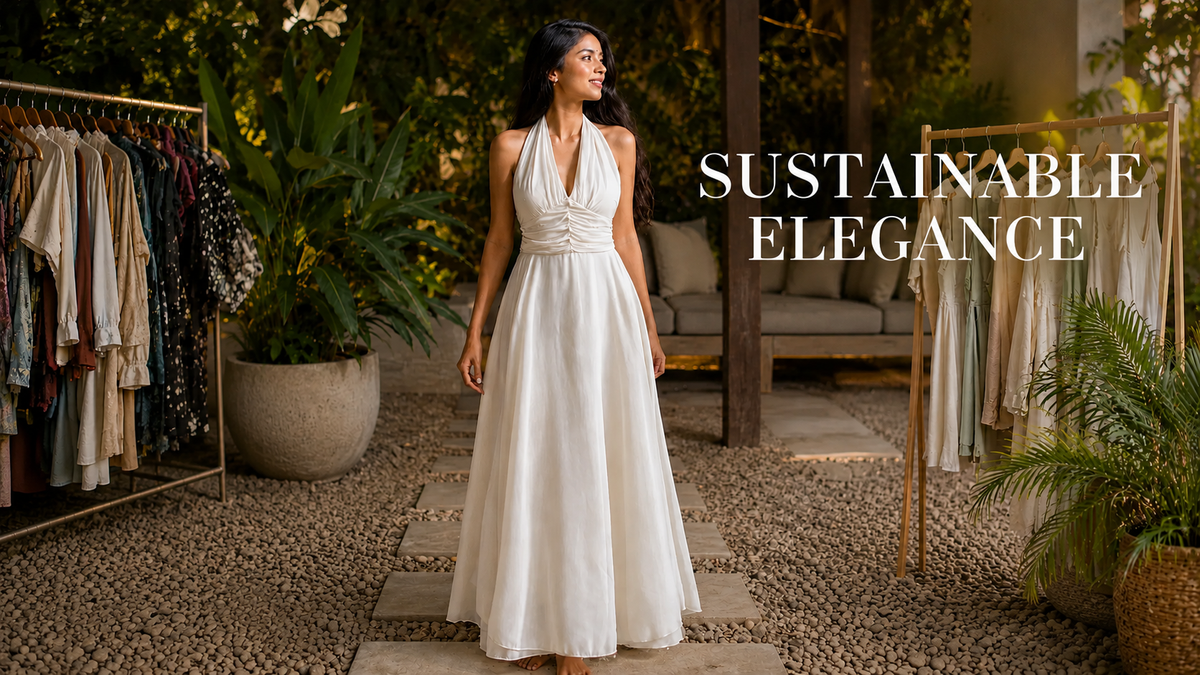
The fashion industry is one of the largest and most influential industries in the world, but it also has a significant environmental impact. Over the past few decades, the rise of fast fashion has encouraged consumers to buy more clothing than ever before, often at the expense of quality and sustainability. While inexpensive garments may seem attractive initially, their short lifespan often contributes to increased waste, pollution, and resource consumption.
As awareness of environmental issues continues to grow, more consumers are looking for ways to make responsible fashion choices. One of the most effective steps individuals can take is investing in high-quality clothing. Durable garments not only offer better comfort, fit, and longevity, but they also help reduce the environmental footprint associated with clothing production and disposal.
In this article, we'll explore why high-quality clothing is better for the environment and how choosing quality over quantity can contribute to a more sustainable future.
Understanding the Environmental Impact of Fashion
Fashion plays a major role in global consumption patterns. Every stage of a garment's life cycle—from raw material production to manufacturing, transportation, and disposal—requires resources and energy.
Environmental challenges associated with clothing production include:
- Excessive water consumption
- Textile waste
- Carbon emissions
- Chemical pollution
- Resource depletion
- Landfill accumulation
When clothing is produced cheaply and discarded quickly, these environmental impacts increase significantly.
The Problem with Fast Fashion
Fast fashion refers to the rapid production of inexpensive clothing designed to follow short-term trends.
Characteristics of fast fashion include:
- Low-cost manufacturing
- Frequent trend cycles
- Mass production
- Short garment lifespan
- High consumer turnover
While fast fashion provides affordable options, it often encourages overconsumption and excessive waste.
Why Fast Fashion Creates More Waste
Many low-quality garments begin to show signs of wear after only a few washes.
Common problems include:
- Fading colors
- Fabric pilling
- Loose stitching
- Shrinking
- Shape distortion
As a result, consumers frequently replace clothing, creating a continuous cycle of purchasing and disposal.
How High-Quality Clothing Reduces Waste
Longer Lifespan
One of the most important environmental benefits of high-quality clothing is durability.
Well-made garments are designed to withstand:
- Frequent wear
- Repeated washing
- Everyday use
- Seasonal storage
Because they last longer, fewer replacements are needed.
This reduces overall clothing consumption and helps decrease textile waste.
Fewer Items Sent to Landfills
Millions of garments end up in landfills each year.
High-quality clothing helps reduce this problem by remaining wearable for extended periods.
When consumers keep garments for years instead of months, fewer items are discarded, resulting in less waste entering the environment.
Durable Fabrics Support Sustainability
Fabric quality plays a crucial role in garment longevity.
Stronger Fibers Last Longer
Premium materials often feature stronger fibers that resist:
- Tearing
- Pilling
- Stretching
- Abrasion
Examples include:
- High-quality cotton
- Linen
- Wool
- Silk
- Premium blends
These fabrics maintain their appearance and functionality over time.
Better Construction Improves Longevity
Quality garments typically feature:
- Reinforced seams
- Superior stitching
- Better finishing techniques
- Durable trims and closures
These details contribute to a longer garment life cycle.
Reduced Resource Consumption
Every new garment requires resources to produce.
These resources include:
- Water
- Energy
- Raw materials
- Labor
- Transportation
When consumers purchase fewer but higher-quality garments, overall resource demand decreases.
Lower Water Usage Over Time
Although some premium garments may require significant resources during production, their extended lifespan often results in lower environmental impact over time.
For example:
One durable garment that lasts several years generally consumes fewer total resources than multiple low-quality replacements.
Supporting Slow Fashion
What Is Slow Fashion?
Slow fashion promotes mindful consumption and prioritizes:
- Quality
- Durability
- Ethical production
- Timeless design
- Sustainability
Unlike fast fashion, slow fashion encourages consumers to invest in garments that remain useful and stylish for many years.
Why Quality Aligns with Slow Fashion
High-quality clothing naturally supports slow fashion principles because it emphasizes:
- Longevity
- Craftsmanship
- Reduced waste
- Responsible purchasing
This approach benefits both consumers and the environment.
Lower Carbon Footprint
Clothing production contributes to greenhouse gas emissions through:
- Manufacturing
- Transportation
- Packaging
- Distribution
Buying Less Reduces Emissions
When consumers purchase fewer garments overall, demand for production decreases.
This can help reduce:
- Manufacturing activity
- Transportation requirements
- Packaging waste
- Carbon emissions
High-quality clothing supports this goal by reducing the need for frequent replacements.
Better Care Leads to Longer Use
Consumers often take better care of garments they value.
Quality Encourages Maintenance
People are more likely to:
- Repair quality clothing
- Store garments properly
- Follow care instructions
- Invest in professional cleaning when necessary
These habits extend garment lifespan and further reduce waste.
Repair Instead of Replace
Well-made clothing can often be repaired rather than discarded.
Examples include:
- Replacing buttons
- Fixing seams
- Adjusting hems
- Restoring zippers
Repairing garments helps keep them in use longer and reduces environmental impact.
Timeless Fashion Reduces Overconsumption
Many high-quality garments feature classic designs that remain stylish for years.
Examples include:
- Tailored blazers
- White shirts
- Maxi dresses
- Classic sarees
- Neutral trousers
Timeless fashion reduces the desire to constantly replace clothing based on changing trends.
Quality Over Quantity
A wardrobe built around versatile, durable pieces often requires fewer items overall.
This leads to:
- Smarter purchasing decisions
- Less clutter
- Reduced consumption
- Greater sustainability
The Role of Natural and Sustainable Fabrics
Many premium garments utilize natural fibers that offer environmental advantages.
Cotton
High-quality cotton provides:
- Breathability
- Durability
- Comfort
Linen
Linen is valued for:
- Longevity
- Natural production
- Minimal waste
Wool
Wool garments can last for decades when properly maintained.
Silk
Premium silk offers durability and timeless elegance.
When sourced responsibly, these materials can contribute to more sustainable fashion practices.
Economic Benefits of High-Quality Clothing
While quality garments often cost more initially, they frequently provide better long-term value.
Benefits include:
- Fewer replacements
- Lower cost per wear
- Reduced impulse purchases
- Greater wardrobe versatility
These advantages make sustainable fashion more accessible over time.
How Consumers Can Make More Sustainable Clothing Choices
Prioritize Quality
Focus on garments that offer:
- Durable construction
- Premium fabrics
- Strong stitching
- Timeless designs
Buy Less, Choose Better
Consider whether a garment will remain useful and wearable for years rather than months.
Support Responsible Brands
Many fashion brands now emphasize:
- Ethical production
- Sustainable materials
- Environmental responsibility
Care for Clothing Properly
Following care instructions can significantly extend garment lifespan.
Frequently Asked Questions
Why is high-quality clothing more sustainable?
High-quality clothing lasts longer, reducing waste, resource consumption, and the need for frequent replacements.
Does buying fewer clothes help the environment?
Yes. Purchasing fewer garments reduces production demand, transportation emissions, and textile waste.
Are premium fabrics better for sustainability?
Many premium fabrics offer greater durability, allowing garments to remain usable for longer periods.
What is the difference between fast fashion and slow fashion?
Fast fashion focuses on rapid production and short-term trends, while slow fashion prioritizes quality, durability, and sustainability.
Conclusion
Choosing high-quality clothing is one of the simplest yet most effective ways to reduce the environmental impact of fashion. Durable garments require fewer replacements, generate less waste, consume fewer resources over time, and support a more sustainable approach to consumption.
By investing in well-made clothing, prioritizing timeless designs, and caring for garments properly, consumers can build wardrobes that are both stylish and environmentally responsible. In a world increasingly focused on sustainability, choosing quality over quantity is not just a fashion decision—it's a meaningful step toward protecting the planet for future generations.


