

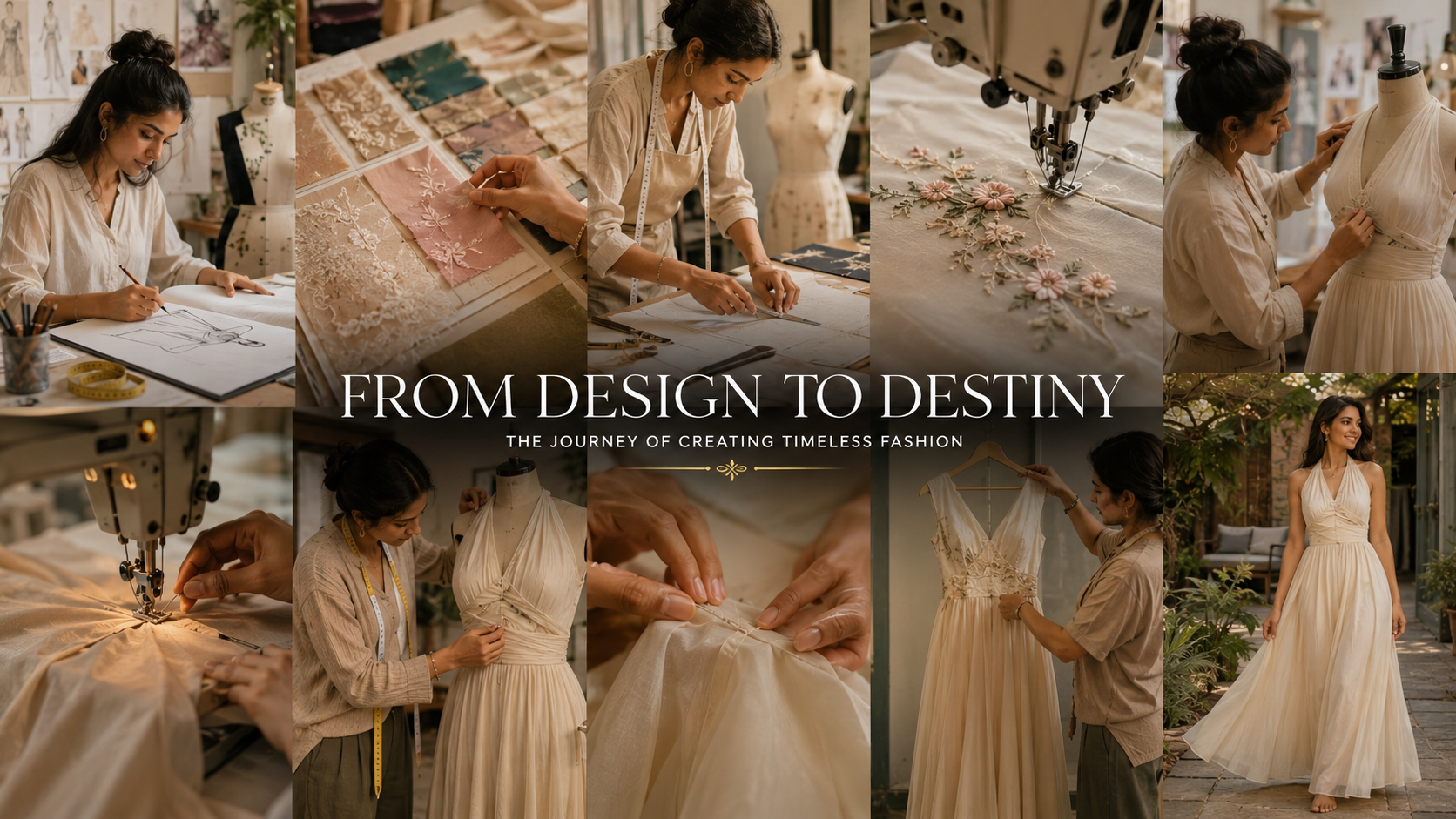
When we admire a beautifully crafted dress, perfectly tailored outfit, it's easy to focus only on the finished product. However, behind every premium fashion piece lies a complex journey involving creativity, craftsmanship, technical expertise, and countless hours of meticulous work.
Unlike mass-produced garments that prioritize speed and volume, premium fashion emphasizes quality at every stage of production. From selecting exceptional fabrics to precision tailoring and final quality inspections, each step contributes to creating a garment that offers superior comfort, durability, and elegance.
Understanding how a premium fashion piece is made helps consumers appreciate the true value of quality clothing and the craftsmanship that distinguishes luxury fashion from ordinary apparel. In this guide, we'll explore the complete process behind the creation of a premium fashion piece and the attention to detail that makes these garments special.
Why Premium Fashion Requires a Different Approach
Premium fashion is built on a philosophy that values quality over quantity.
Instead of focusing solely on production efficiency, premium brands prioritize:
- Superior materials
- Expert craftsmanship
- Precision construction
- Exceptional fit
- Long-term durability
Every stage is carefully controlled to ensure the finished garment meets high standards.
Stage 1: Inspiration and Concept Development
Every premium fashion piece begins with an idea.
Sources of Inspiration
Designers often draw inspiration from:
- Nature
- Art
- Architecture
- Cultural heritage
- Global fashion trends
- Traditional craftsmanship
The goal is to create a design that balances creativity, functionality, and timeless appeal.
Defining the Vision
During this phase, designers determine:
- Silhouette
- Fabric direction
- Color palette
- Intended audience
- Occasion and purpose
A clear vision guides every subsequent stage of development.
Stage 2: Fabric Selection
Fabric is one of the most important decisions in the entire process.
Why Fabric Choice Matters
The fabric influences:
- Comfort
- Appearance
- Drape
- Durability
- Performance
Even the most beautiful design cannot succeed without the right material.
Common Premium Fabrics
Luxury garments often utilize:
- Silk
- Chiffon
- Georgette
- Premium cotton
- Rayon blends
- Muslin
- Linen
Designers carefully evaluate texture, weight, movement, and quality before making a final selection.
Stage 3: Textile Development and Preparation
Before garment production begins, fabrics may undergo specialized preparation processes.
Textile Treatments
These may include:
- Dyeing
- Printing
- Finishing
- Softening treatments
- Texture enhancement
Quality Evaluation
Textiles are examined for:
- Consistency
- Color accuracy
- Weave quality
- Surface appearance
Only fabrics meeting strict standards move forward.
Stage 4: Design Sketching and Technical Planning
With the fabric selected, the design process becomes more detailed.
Fashion Sketches
Designers create visual concepts that illustrate:
- Shape
- Construction details
- Embellishments
- Proportions
Technical Specifications
Production teams develop:
- Measurement charts
- Construction instructions
- Material requirements
- Sewing guidelines
These documents ensure consistency throughout manufacturing.
Stage 5: Pattern Making
Pattern making transforms a design concept into a wearable garment.
What Is a Pattern?
A pattern serves as the blueprint for a garment.
It defines:
- Shape
- Structure
- Measurements
- Construction details
Why Pattern Making Is Critical
Even small pattern adjustments can significantly affect:
- Fit
- Comfort
- Appearance
Premium fashion brands invest heavily in expert pattern development.
Stage 6: Sample Creation and Fit Testing
Before full production begins, a sample garment is created.
Purpose of Sampling
Samples help evaluate:
- Design accuracy
- Fabric behavior
- Fit
- Construction quality
Fit Sessions
Garments are tested and refined to ensure:
- Proper proportions
- Comfortable movement
- Flattering silhouette
Multiple revisions are often required before approval.
Stage 7: Precision Cutting and Construction
Once patterns are finalized, production begins.
Fabric Cutting
Premium garments require precise cutting to ensure:
- Accuracy
- Consistency
- Proper alignment
Pattern Matching
For printed or woven fabrics, careful alignment ensures:
- Seam consistency
- Visual balance
- Professional appearance
This step requires considerable skill and attention to detail.
Stage 8: Skilled Sewing and Tailoring
Construction is where craftsmanship becomes visible.
Expert Stitching
Premium garments feature:
- Clean seams
- Reinforced construction
- Consistent stitching
- Durable finishing
Tailoring Excellence
Tailors focus on:
- Structure
- Balance
- Symmetry
- Silhouette refinement
These details distinguish luxury garments from mass-produced alternatives.
Stage 9: Embellishments and Finishing Touches
Many premium fashion pieces include handcrafted details.
Common Enhancements
Examples include:
- Embroidery
- Beadwork
- Sequins
- Lace applications
- Decorative stitching
Artisan Craftsmanship
Hand-applied embellishments often require hours of skilled labor.
These details add uniqueness and artistic value.
The Importance of Garment Finishing
Finishing is one of the most overlooked yet essential stages.
Finishing Processes Include
- Pressing
- Thread trimming
- Shape correction
- Final inspection
Why It Matters
Proper finishing improves:
- Appearance
- Comfort
- Presentation
- Longevity
Luxury garments often undergo multiple finishing stages before approval.
Quality Control: The Final Gatekeeper
Before reaching customers, premium fashion pieces undergo rigorous inspections.
What Quality Teams Check
Inspectors evaluate:
- Fabric integrity
- Stitch quality
- Measurement accuracy
- Color consistency
- Construction standards
The Goal
Every garment must meet established quality requirements before being released.
This attention to detail helps maintain brand reputation and customer satisfaction.
The Role of Skilled Craftspeople
Premium fashion depends heavily on human expertise.
Key Specialists Involved
A single garment may involve:
- Textile experts
- Designers
- Pattern makers
- Tailors
- Embroiderers
- Quality inspectors
Each professional contributes specialized knowledge to the final product.
Why Human Craftsmanship Matters
Machines can improve efficiency, but many luxury details still require skilled hands and trained eyes.
How Premium Fashion Differs from Fast Fashion
Fast Fashion Priorities
Fast fashion often focuses on:
- Speed
- Volume
- Trend replication
- Cost reduction
Premium Fashion Priorities
Premium fashion emphasizes:
- Quality
- Craftsmanship
- Durability
- Timeless design
This difference explains why luxury garments often provide superior longevity and value.
Sustainability and Premium Fashion
The creation of high-quality garments often aligns with sustainable fashion principles.
Benefits
Premium fashion encourages:
- Longer garment lifespans
- Reduced waste
- Thoughtful consumption
- Better resource utilization
Investing in Quality
Consumers increasingly recognize that purchasing fewer, better garments can be both economically and environmentally beneficial.
Why Premium Fashion Costs More
Many shoppers wonder why luxury garments command higher prices.
Factors Influencing Cost
These include:
- Superior fabrics
- Skilled labor
- Extensive development
- Detailed craftsmanship
- Rigorous quality control
The higher price reflects the expertise and effort invested throughout the process.
What Consumers Gain from Premium Fashion
When purchasing a premium garment, consumers benefit from:
- Better comfort
- Improved fit
- Enhanced durability
- Timeless style
- Greater confidence
The result is often a superior overall ownership experience.
Frequently Asked Questions
How long does it take to create a premium fashion piece?
The timeline varies depending on complexity, but premium garments often require significantly more development and production time than mass-produced clothing.
What is the most important stage of garment creation?
Every stage matters, but fabric selection, pattern making, and craftsmanship are especially critical.
Why are premium garments more expensive?
They use higher-quality materials, skilled labor, specialized techniques, and extensive quality control processes.
Does craftsmanship affect garment longevity?
Yes. Superior construction and materials typically result in longer-lasting clothing.
Conclusion
The creation of a premium fashion piece is a remarkable blend of creativity, technical expertise, and craftsmanship. From the initial spark of inspiration to fabric selection, pattern development, precision tailoring, embellishment, and final quality inspections, every stage contributes to the garment's quality and character.
Unlike mass-produced clothing, premium fashion is defined by its attention to detail and commitment to excellence. The result is clothing that not only looks beautiful but also offers superior comfort, durability, and timeless appeal.
Understanding what happens during the creation of a premium fashion piece allows consumers to appreciate the artistry behind every stitch and make more informed decisions when investing in quality fashion.


