

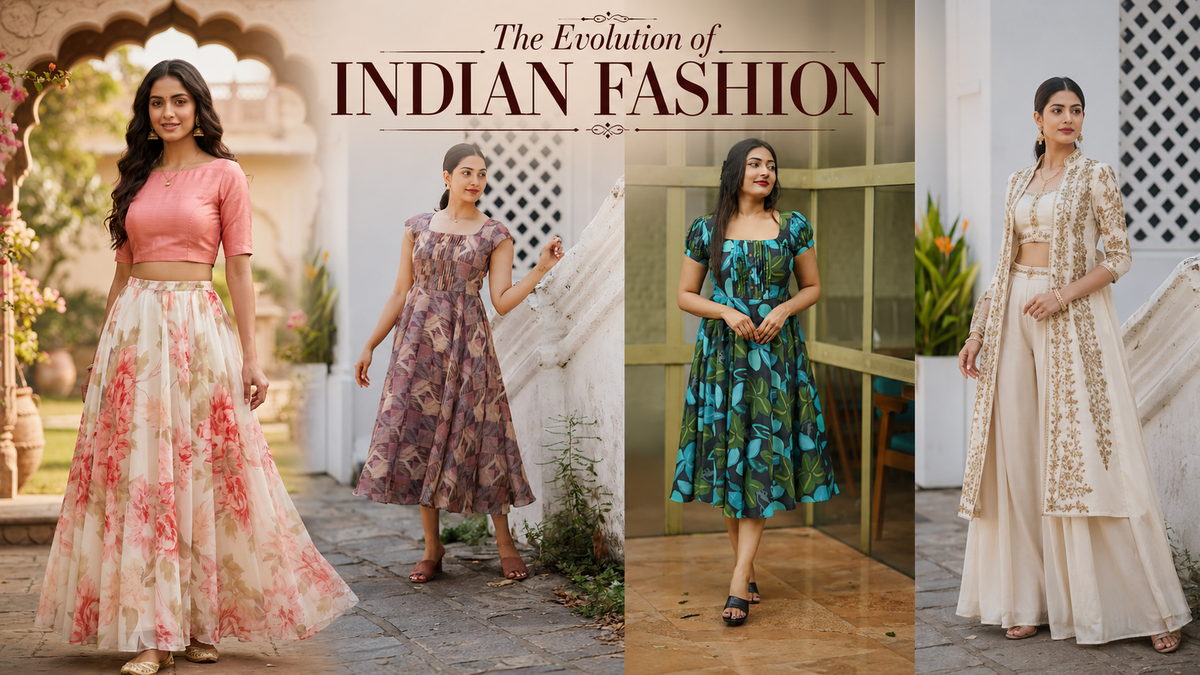
Indian fashion is a remarkable blend of history, culture, craftsmanship, and innovation. From the intricate weaves of Banarasi silk and the vibrant colors of traditional sarees to contemporary designer collections showcased on international runways, Indian fashion has undergone an extraordinary transformation over the decades. Today, modern Indian fashion is no longer limited to the subcontinent—it has become a significant influence on global style, luxury fashion, and textile innovation.
The rise of modern Indian fashion reflects the country's ability to preserve its rich heritage while embracing contemporary trends. Designers, artisans, and fashion entrepreneurs have successfully introduced Indian aesthetics to a worldwide audience, making traditional craftsmanship relevant for modern consumers. As a result, Indian fashion now occupies an important position in the global fashion industry.
This article explores the journey of modern Indian fashion, its evolution, key influences, and the reasons behind its growing international appeal.
The Rich Heritage of Indian Fashion
Long before the emergence of modern fashion houses, India was renowned for its textiles and craftsmanship.
Historically, India produced some of the world's most sought-after fabrics, including:
- Silk
- Cotton
- Muslin
- Chanderi
- Khadi
- Brocade
Indian textiles were traded across Asia, Europe, and the Middle East for centuries. The country's expertise in weaving, dyeing, embroidery, and handcrafting established its reputation as a global textile powerhouse.
Traditional garments such as:
- Sarees
- Lehengas
- Salwar suits
- Sherwanis
- Dhoti attire
became symbols of cultural identity and regional artistry.
This strong foundation continues to influence modern Indian fashion today.
The Evolution of Indian Fashion
The Pre-Independence Era
Before independence, clothing choices were heavily influenced by regional traditions, royal patronage, and handcrafted textile production.
Artisans developed distinctive techniques such as:
- Zari embroidery
- Block printing
- Bandhani
- Ikat weaving
- Mirror work
These traditions remain integral to contemporary Indian fashion.
Post-Independence Fashion Transformation
Following independence, India experienced significant social and economic changes.
Fashion gradually evolved as:
- Urban lifestyles expanded
- Western influences increased
- Ready-to-wear clothing gained popularity
- Fashion education became more accessible
Consumers began seeking clothing that balanced tradition with practicality.
This demand laid the foundation for modern Indian fashion.
The Rise of Modern Indian Fashion
Fusion of Tradition and Contemporary Design
One of the defining characteristics of modern Indian fashion is its ability to blend heritage with innovation.
Designers began experimenting with:
- Contemporary silhouettes
- Global styling techniques
- Traditional textiles
- Indian craftsmanship
This fusion created entirely new fashion categories, including Indo-Western wear, contemporary ethnic fashion, and luxury fusion collections.
Emergence of Fashion Designers
The growth of Indian fashion was accelerated by visionary designers who introduced Indian aesthetics to international audiences.
These designers modernized traditional garments by incorporating:
- Innovative cuts
- Premium fabrics
- Contemporary tailoring
- Global fashion influences
As a result, Indian fashion became increasingly visible on international platforms.
The Global Appeal of Indian Textiles
One of the strongest contributors to India's global fashion influence is its textile heritage.
Handwoven Fabrics
Indian handwoven fabrics are admired worldwide for their:
- Craftsmanship
- Durability
- Unique textures
- Cultural significance
Popular examples include:
- Banarasi silk
- Chanderi
- Khadi
- Kanjeevaram silk
- Maheshwari fabrics
Sustainable Fashion Relevance
As sustainability becomes a priority in global fashion, traditional Indian textiles have gained renewed attention.
Many Indian fabrics align naturally with sustainable fashion principles because they emphasize:
- Handcrafted production
- Natural fibers
- Long-lasting quality
- Artisan involvement
This makes Indian textiles increasingly attractive to conscious consumers worldwide.
Bollywood's Role in Global Fashion Influence
The Indian film industry has significantly contributed to the international popularity of Indian fashion.
Bollywood celebrities regularly showcase:
- Designer sarees
- Contemporary ethnic wear
- Luxury couture
- Indo-Western styles
Through films, social media, and international events, Bollywood has introduced global audiences to Indian aesthetics and craftsmanship.
Fashion enthusiasts across different countries often draw inspiration from these styles.
The Rise of Indo-Western Fashion
One of the most successful developments in modern Indian fashion is the emergence of Indo-Western clothing.
This style combines:
- Traditional Indian elements
- Contemporary Western silhouettes
- Modern tailoring
- Versatile styling
Examples include:
- Sarees paired with crop tops
- Jacket lehengas
- Fusion gowns
- Contemporary kurta sets
- Ethnic co-ord ensembles
Indo-Western fashion appeals to consumers seeking both cultural expression and modern functionality.
Indian Fashion on International Runways
Today, Indian designers regularly participate in major fashion events and international showcases.
Global audiences increasingly appreciate:
- Intricate embroidery
- Textile craftsmanship
- Handcrafted details
- Vibrant color palettes
Indian-inspired elements frequently appear in collections created by international luxury brands.
This demonstrates the growing influence of Indian fashion aesthetics across global markets.
How Technology Has Transformed Indian Fashion
Technology has played a significant role in expanding the reach of Indian fashion.
E-Commerce Growth
Online platforms have made Indian fashion accessible to customers around the world.
Consumers can now purchase:
- Sarees
- Ethnic wear
- Fusion fashion
- Handcrafted textiles
from virtually any location.
Social Media Influence
Social media has enabled designers and brands to showcase their work directly to global audiences.
Platforms such as:
- YouTube
have become powerful tools for fashion discovery and inspiration.
The Importance of Craftsmanship in Modern Indian Fashion
Despite technological advancements, craftsmanship remains at the heart of Indian fashion.
Skilled artisans continue to create:
- Hand embroidery
- Weaving
- Dyeing techniques
- Textile embellishments
These traditional skills differentiate Indian fashion from mass-produced alternatives and contribute to its luxury appeal.
Consumers increasingly value authenticity and craftsmanship, making artisan-made fashion more relevant than ever.
Modern Indian Fashion and Sustainable Luxury
The future of fashion is increasingly focused on sustainability, and Indian fashion is well positioned to contribute.
Key strengths include:
- Natural fibers
- Handmade production methods
- Traditional techniques
- Durable garments
- Ethical craftsmanship
Many modern Indian brands now emphasize slow fashion principles that prioritize quality over quantity.
This aligns with evolving consumer preferences worldwide.
Why Global Consumers Are Embracing Indian Fashion
Several factors contribute to the international popularity of Indian fashion:
Unique Aesthetics
Indian fashion offers rich visual appeal through:
- Embroidery
- Textiles
- Colors
- Patterns
Versatility
Modern Indian clothing can be adapted for:
- Weddings
- Formal events
- Casual wear
- Contemporary fashion styling
Cultural Storytelling
Each garment often reflects a deeper story of heritage, craftsmanship, and artistic tradition.
Premium Quality
Many Indian textiles and handcrafted garments are recognized for exceptional quality and durability.
The Future of Indian Fashion
The future of Indian fashion appears incredibly promising.
Emerging trends include:
- Sustainable textiles
- Digital fashion innovation
- Contemporary ethnic wear
- Global designer collaborations
- Premium handcrafted fashion
As consumers increasingly seek authenticity, craftsmanship, and cultural richness, Indian fashion is expected to continue expanding its influence worldwide.
Frequently Asked Questions
What is modern Indian fashion?
Modern Indian fashion combines traditional Indian craftsmanship, textiles, and cultural influences with contemporary silhouettes and global design trends.
Why is Indian fashion becoming popular globally?
Indian fashion offers unique craftsmanship, rich textile heritage, sustainable production methods, and versatile contemporary styling.
How has Bollywood influenced Indian fashion?
Bollywood has helped showcase Indian fashion to global audiences through films, celebrity styling, social media, and international appearances.
What makes Indian textiles unique?
Indian textiles are known for their intricate craftsmanship, handwoven quality, vibrant colors, and centuries-old production techniques.
Conclusion
The story behind modern Indian fashion is one of evolution, innovation, and cultural pride. Rooted in centuries of textile excellence and craftsmanship, Indian fashion has successfully adapted to changing consumer preferences while preserving its rich heritage. By blending traditional artistry with contemporary design, Indian fashion has earned a respected place on the global stage.
From luxurious handwoven fabrics and intricate embroidery to sustainable fashion practices and Indo-Western innovation, India's influence continues to shape international fashion trends. As the world increasingly values authenticity, craftsmanship, and meaningful design, modern Indian fashion is poised to remain a powerful force in the global fashion industry for years to come.


