

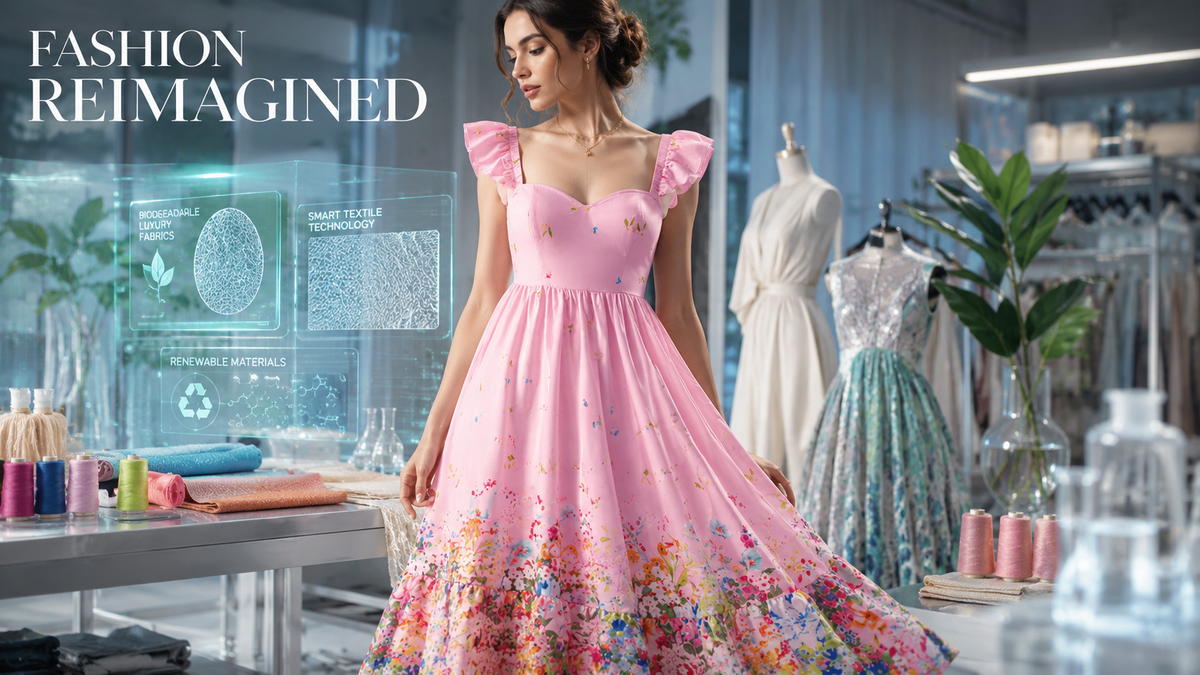
Fashion has always evolved alongside advancements in textile technology. While design trends often capture the spotlight, the real transformation in women's fashion frequently begins with the fabric itself. From sustainable materials and lightweight performance fabrics to innovative weaving techniques and enhanced comfort technologies, textile innovation is reshaping how clothing looks, feels, and performs.
Today's consumers expect more from their wardrobes than ever before. Modern women seek clothing that combines style, comfort, durability, versatility, and environmental responsibility. As a result, textile manufacturers and fashion brands are investing heavily in developing new materials and production methods that meet these evolving expectations.
The result is a new era of fashion where innovation extends beyond aesthetics and focuses on creating garments that improve everyday experiences. This article explores how textile innovation is transforming women's fashion and influencing the future of the industry.
What Is Textile Innovation?
Textile innovation refers to the development of new materials, manufacturing techniques, and fabric technologies that improve the performance, sustainability, appearance, and functionality of clothing.
Areas of Innovation Include
- Fiber development
- Sustainable materials
- Fabric finishing
- Weaving techniques
- Smart textiles
- Performance enhancement
These advancements help create garments that better meet the needs of modern consumers.
Why Textile Innovation Matters in Fashion
Fabric is the foundation of every garment.
Innovations in textiles directly influence:
- Comfort
- Fit
- Durability
- Appearance
- Sustainability
- Performance
Even the most beautiful design relies on the quality and capabilities of the material from which it is made.
10 Ways Textile Innovation Is Transforming Women's Fashion
1. Sustainable Fabrics Are Becoming Mainstream
One of the most significant developments in fashion is the rise of environmentally conscious textiles.
Why Sustainability Matters
Consumers increasingly seek:
- Reduced environmental impact
- Responsible production
- Long-lasting garments
Sustainable Textile Innovations
Examples include:
- Organic cotton
- Recycled fibers
- Regenerated cellulose fabrics
- Eco-friendly blends
These materials help reduce waste while maintaining quality and comfort.
2. Enhanced Comfort Through Advanced Fabric Engineering
Comfort has become a major priority in women's fashion.
Modern Consumer Expectations
Women want garments that provide:
- Breathability
- Flexibility
- Softness
- Lightweight wearability
Textile Solutions
Advanced fiber technologies improve:
- Moisture management
- Air circulation
- Stretch recovery
- Temperature regulation
The result is clothing that feels better throughout the day.
3. Lightweight Fabrics Improve Wearability
Innovative textile development has produced lighter materials without sacrificing durability.
Benefits
Lightweight fabrics offer:
- Greater mobility
- Increased comfort
- Reduced bulk
- Improved layering options
Popular Applications
These textiles are commonly used in:
- Dresses
- Activewear
- Travel clothing
- Everyday fashion
Women increasingly prefer garments that feel effortless to wear.
4. Better Durability Extends Garment Lifespan
Consumers are becoming more focused on value and longevity.
Modern Textile Improvements
Innovative materials can provide:
- Increased strength
- Better shape retention
- Reduced pilling
- Enhanced resistance to wear
Why It Matters
Longer-lasting clothing contributes to:
- Reduced replacement costs
- Less textile waste
- Improved sustainability
Durability is becoming a key measure of garment quality.
5. Performance Fabrics Are Moving Beyond Sportswear
Performance textiles are no longer limited to athletic clothing.
Features of Modern Performance Fabrics
They may offer:
- Moisture-wicking capabilities
- Wrinkle resistance
- Stretch flexibility
- Quick-drying properties
Everyday Applications
These innovations are increasingly found in:
- Casual dresses
- Workwear
- Travel apparel
- Lifestyle fashion
Consumers appreciate clothing that combines style with practicality.
6. Smart Textiles Are Entering Fashion
Technology is beginning to merge with textile development.
What Are Smart Textiles?
Smart textiles are fabrics designed with enhanced functional capabilities.
Potential features include:
- Temperature responsiveness
- Adaptive performance
- Sensor integration
- Interactive functionality
Future Potential
As technology advances, smart textiles may play a larger role in everyday fashion.
7. Innovative Weaving Techniques Improve Appearance
Textile innovation isn't limited to fibers alone.
Advanced Construction Methods
Modern weaving and knitting technologies create:
- Rich textures
- Enhanced drape
- Better structure
- Unique visual effects
Fashion Benefits
These improvements contribute to garments that look more refined and luxurious.
8. Premium Fabrics Are Becoming More Accessible
Innovative manufacturing techniques have improved access to high-quality textiles.
Consumer Advantages
Women can now enjoy:
- Better fabric options
- Greater design variety
- Enhanced comfort
- Improved garment performance
Popular Premium Materials
Examples include:
- Chiffon
- Georgette
- Rayon
- Muslin
- Linen blends
These fabrics continue to evolve through improved production processes.
9. Textile Innovation Supports Versatile Fashion
Modern lifestyles require versatile wardrobes.
What Consumers Need
Women increasingly prefer garments that transition between:
- Work
- Travel
- Social events
- Casual settings
How Textiles Help
Innovative fabrics improve:
- Wrinkle resistance
- Shape retention
- Comfort across environments
This flexibility enhances wardrobe efficiency.
10. Innovation Is Supporting Sustainable Fashion Goals
Many textile advancements are helping the fashion industry move toward greater sustainability.
Key Objectives
Innovators aim to:
- Reduce waste
- Lower resource consumption
- Improve material efficiency
- Extend garment lifespan
Consumer Impact
Shoppers benefit from clothing that offers both performance and environmental responsibility.
How Textile Innovation Improves Women's Everyday Fashion
Many innovations focus on solving practical challenges.
Common Improvements
Modern fabrics can help address:
- Heat discomfort
- Fabric stiffness
- Excessive wrinkling
- Limited mobility
Result
Women enjoy clothing that is more comfortable, adaptable, and functional without sacrificing style.
The Connection Between Textile Innovation and Premium Fashion
Premium fashion brands often lead the adoption of innovative textiles.
Why Premium Brands Invest in Innovation
They seek to provide:
- Superior comfort
- Better performance
- Enhanced aesthetics
- Long-term durability
Consumer Benefits
These advancements eventually influence broader fashion markets and improve industry standards.
How Innovation Is Changing Fabric Selection
Consumers are becoming more informed about textiles.
Modern Shopping Priorities
Shoppers increasingly evaluate:
- Fabric quality
- Sustainability
- Performance
- Longevity
The Shift
Fashion decisions are moving beyond appearance alone and increasingly include functional considerations.
Challenges Facing Textile Innovation
While progress continues, several challenges remain.
Common Obstacles
These include:
- Production costs
- Scalability
- Consumer education
- Industry adoption
Despite these challenges, innovation continues to accelerate across the fashion sector.
The Future of Women's Fashion Fabrics
The future of fashion will likely be shaped by continued textile advancements.
Emerging Trends
Potential developments include:
- More sustainable materials
- Enhanced smart textiles
- Improved comfort technologies
- Advanced fabric customization
Consumer Expectations
Women increasingly expect clothing to deliver both style and performance.
Textile innovation will play a critical role in meeting these demands.
Frequently Asked Questions
What is textile innovation?
Textile innovation involves developing new materials, technologies, and manufacturing techniques that improve fabric performance, comfort, durability, and sustainability.
How does textile innovation affect women's fashion?
It enhances comfort, fit, durability, versatility, and environmental responsibility while creating new design possibilities.
Are sustainable fabrics part of textile innovation?
Yes. Sustainable materials are among the most important areas of modern textile development.
What are smart textiles?
Smart textiles are fabrics designed with advanced functional capabilities such as temperature regulation, responsiveness, or integrated technology.
Conclusion
Textile innovation is transforming women's fashion by redefining what clothing can achieve. From sustainable materials and advanced comfort technologies to smart fabrics and enhanced durability, innovation is improving both the performance and appeal of modern garments.
As consumers continue to prioritize comfort, quality, versatility, and sustainability, textile development will remain one of the driving forces behind fashion's evolution. The future of women's fashion will not only be shaped by design trends but also by the groundbreaking materials and technologies woven into every garment. Understanding these innovations helps consumers make smarter choices and appreciate the remarkable progress occurring behind the scenes of the fashion industry.


